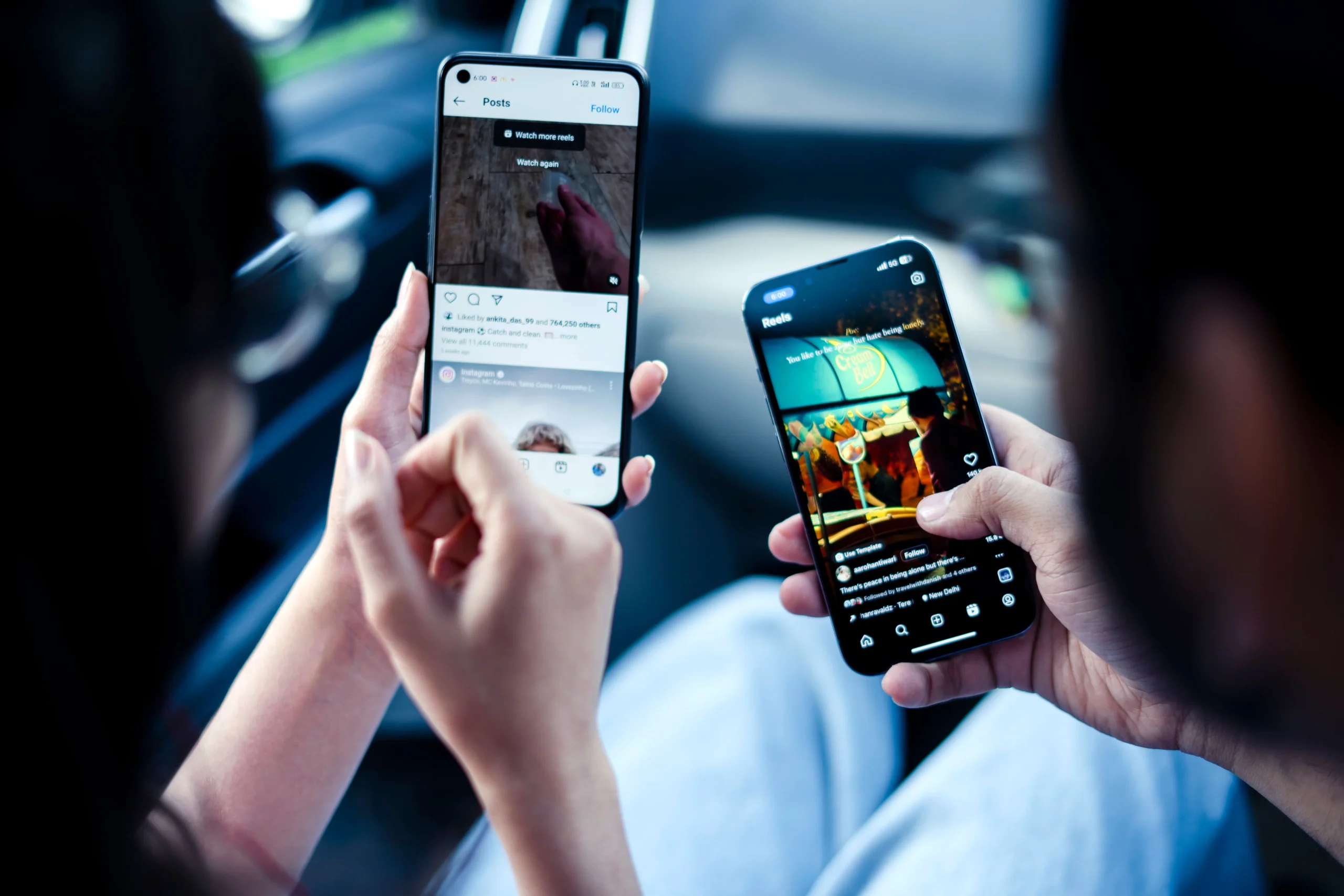
Buying a new smartphone isn’t as simple as picking whichever model looks good in an ad. Dozens of brands release new phones every few months. Each one claims to be the “best camera,” the “fastest chip,” or the “best value for money.” Honestly, it’s easy to get overwhelmed. Or worse you end up stuck with a phone that doesn’t actually fit how you use it day to day.
Here’s the thing: the right smartphone depends entirely on your own habits, not on whatever’s trending this month. A heavy gamer needs something completely different from someone who mainly uses their phone for photos and messaging.
A student on a tight budget has different priorities than someone upgrading every year for work. Before you spend your money, slow down and look at what actually matters to you. Don’t get pulled in by marketing buzzwords or whatever spec everyone’s hyping up right now. Here are the seven things genuinely worth checking before you commit.
1. Battery Life and Charging Speed
No matter how impressive a phone’s specs look on paper, none of it matters much if the battery can’t get you through the day. Battery capacity is usually measured in mAh, and a higher number generally means longer battery life but that’s not the whole story. How efficiently the processor and software manage power plays a huge role too. Two phones with the exact same battery size can behave completely differently in real life, all depending on how well the software is optimized.
Charging speed matters just as much as capacity these days. Plenty of phones now support fast charging that can take you from empty to 50% in under half an hour. That’s a massive jump from a few years ago, when a full charge could easily eat up two hours. This really matters if you’re constantly on the move. If you travel a lot, work long hours away from an outlet, or just forget to charge overnight like most of us do, prioritize both battery size and speed. Trust me, it’ll save you a lot of frustration later.
2. Camera Quality and Features
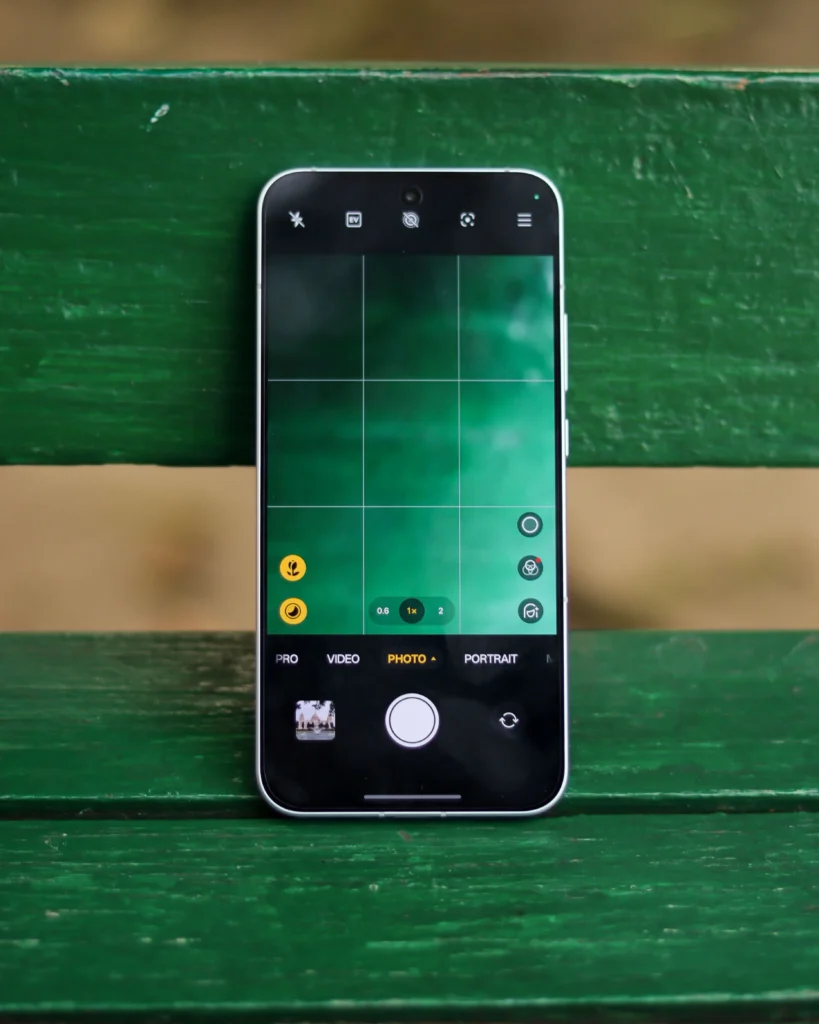
Camera specs are one of the most heavily marketed features out there, and also one of the most misunderstood. A higher megapixel count doesn’t automatically mean better photos this is probably the biggest myth in smartphone shopping. Sensor size, aperture, and image processing software usually matter way more than the number printed on the box. A 50MP camera with a tiny sensor can easily lose to a 12MP camera with a bigger one.
If photography actually matters to you, skip the marketing numbers and go look at real sample photos online, especially in low light. That’s where cheap cameras usually fall apart. Features like optical image stabilization, night mode, and 4K video are worth paying attention to. This matters most if you plan on using your phone as your main camera for trips or content creation. For casual users who mostly post on social media, a mid-range camera is honestly more than enough. You probably won’t even notice the difference between that and a flagship camera in everyday use.
3. Display Size and Type
The display is what you’re staring at all day, so it’s worth understanding your options. AMOLED and OLED screens generally give you deeper blacks and better contrast than older LCD panels. Colors pop more too, which you’ll notice right away when watching videos or scrolling through photos. They’re more battery-friendly as well, since black pixels basically switch off and use less power on these screens.
Refresh rate has also become common in mid-range phones now, not just flagships. A 90Hz or 120Hz screen makes scrolling and animations feel noticeably smoother than a standard 60Hz one. Once you get used to it, it’s genuinely hard to go back. Screen size really just comes down to what you prefer. Bigger screens are great for media, reading, and gaming. Smaller phones are easier to use one-handed and fit better in a pocket.
4. Processor and Performance
The processor, or chipset, is basically the brain of the phone. It decides how smoothly everything runs opening apps, multitasking, gaming, all of it. If you mostly use your phone for calls, texting, and browsing, a mid-range processor handles that just fine without any lag.
But if you’re into graphically heavy games, edit videos on the go, or juggle several apps at once, spending a bit more here is worth it. Go for a phone with a stronger processor and at least 8GB of RAM that’s a decent baseline for smooth multitasking in 2026. It also helps to check benchmark comparisons or independent reviews instead of trusting the core count or clock speed on the spec sheet alone. Real-world performance can look pretty different from what the numbers suggest, since software optimization plays a big part too.
5. Storage Capacity
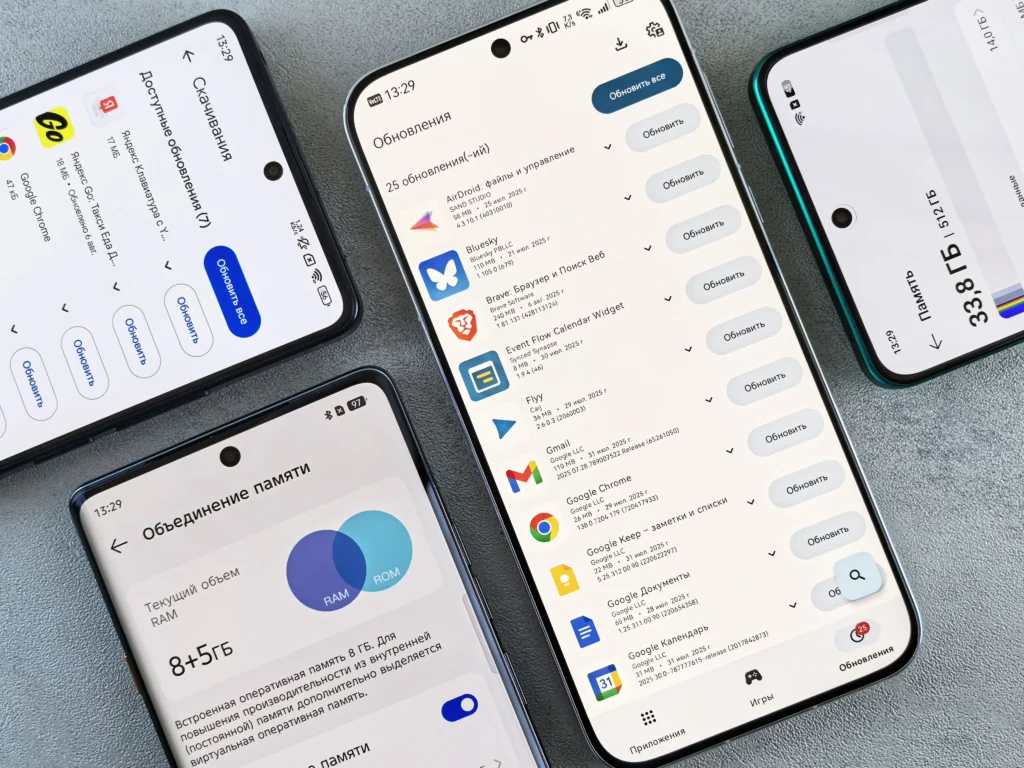
Storage is one of those things people underestimate right up until they run out of space at the worst possible moment. Photos, videos, apps, and system updates all pile up faster than you’d expect. Modern cameras only make this worse, since they shoot much bigger files than phones did just a few years ago.
128GB is a fair minimum for most people today. If you’re a heavy user recording lots of video, downloading games, or keeping a big media library go for 256GB or more. Some phones still let you add a microSD card for extra storage. It’s a nice safety net if you’re not sure how much you’ll actually need. If your phone doesn’t support expandable storage, just go a size bigger from the start. Don’t count on cloud storage to fill the gap, especially if you don’t want to pay a monthly fee just to store your own photos.
6. Operating System (Android or iOS)
This one usually comes down to personal preference and ecosystem more than any single feature on a spec sheet. Android gives you more flexibility and a wider range of price points. There’s way more room to customize things if you like tweaking your phone’s look. iOS, on the other hand, is known for a smoother, more streamlined experience, longer software support, and tighter integration with other Apple gear.
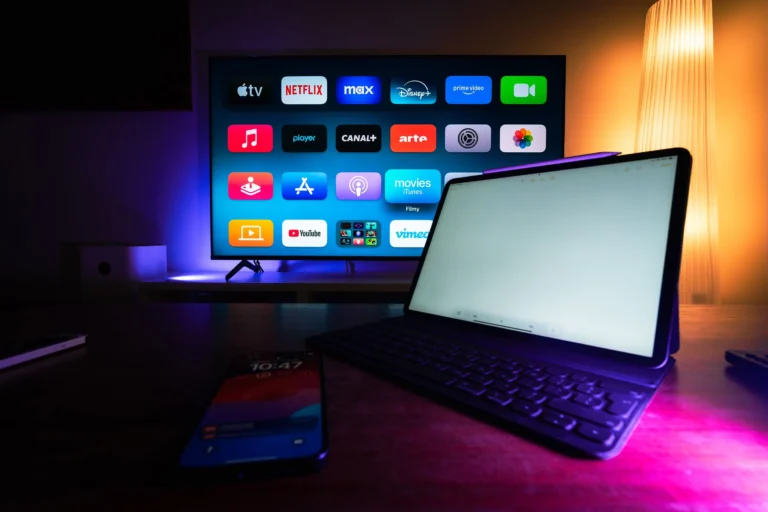
If you’re already using something like a MacBook or an iPad, sticking with the same ecosystem just makes life easier. Shared clipboards, seamless file transfers, synced notifications all of it works better on one platform. Bridging two different worlds is always clunkier. If budget flexibility and variety matter more to you than a tightly connected ecosystem, Android is worth a look. Its massive range of manufacturers and price points gives you more room to shop around.
7. Network Support and Connectivity

It’s easy to overlook connectivity when you’re comparing phones side by side, but it actually affects your daily experience more than people think. Check for 5G support even if your area doesn’t have full coverage yet. Networks keep expanding, and you’ll want your phone to stay useful for the next few years, not feel outdated within months.
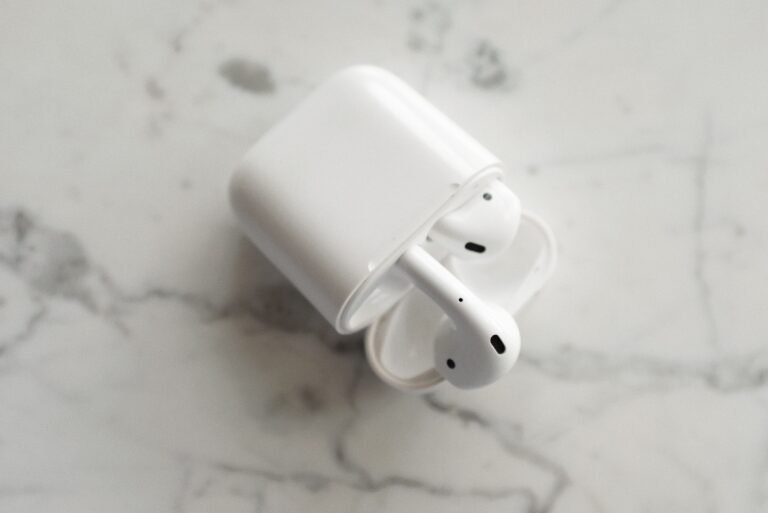
Dual SIM support is worth checking too, especially if it fits how you use your phone. It matters if you keep work and personal numbers separate, or if you travel a lot and rely on local SIM cards. Beyond just cellular networks, make sure the phone supports the latest WiFi and Bluetooth standards. Older versions can mean slower transfer speeds and shakier connections with newer accessories like earbuds or smartwatches.
8. Build Quality and Design
Spec sheets rarely tell you how a phone actually feels in your hand day after day. But build quality matters more than most people realize, at least until they’ve had the phone a few months. Aluminum or glass builds generally feel more premium and durable than plastic ones. They can also make the phone heavier and more prone to fingerprints and smudges.
Water and dust resistance ratings, usually listed as an IP rating, are worth checking too. This holds even if you’re not taking your phone swimming. It matters more than people assume. Say you’re occasionally caught in the rain, work around water, or you’re just a little clumsy with drinks near your desk (no judgment). A higher rating means better protection against accidental splashes or dust getting in. You’ll be using this phone constantly for the next couple of years. How it feels in your hand, and how it holds up to daily wear, ends up mattering just as much as anything on the spec sheet.
9. Price and Value for Money
Budget is usually the first filter people apply, and realistically, that makes sense. But the goal shouldn’t be finding the cheapest phone possible it should be finding the best value for whatever budget you’ve set. Two phones at a similar price can feel completely different depending on which features the manufacturer decided to prioritize.
Instead of chasing the highest specs across the board, figure out which of the factors above actually matter most to you. Then look for a phone that does well specifically in those areas. Don’t pay extra for stuff you’re never going to use, like a top-tier camera setup if you barely take photos. Reading real user reviews usually gives you a much clearer picture than spec sheets or marketing pages. You see how a phone actually performs day to day.
Final Thoughts
There’s no single “best” smartphone that works for everyone, no matter what any review or ranking tries to tell you. The right choice depends entirely on how you actually use your phone, not on what’s trending or what your friend just picked up. Don’t get swept up in marketing hype or rush to buy the newest release. Focus on what genuinely matters for your habits battery life, camera quality, raw performance, or just solid value for your money. Taking a little extra time to weigh these factors before buying pays off. It saves you from regretting it a few months down the line, once the excitement wears off.
Frequently Asked Questions
What’s the most important factor to consider when buying a smartphone?
There’s no single factor that matters most for everyone it depends on how you use your phone. Heavy camera users should prioritize camera quality, while gamers should focus on the processor and RAM. Battery life and price tend to matter to almost every buyer, though.
Does a higher megapixel count mean a better camera?
Not necessarily. Sensor size, aperture, and image processing software often matter more than megapixel count. A 12MP camera with a larger sensor can easily outperform a 50MP camera with a smaller one, especially in low light.
How much RAM and storage do I actually need in 2026?
8GB of RAM is a reasonable baseline for smooth everyday use, and more if you play demanding games or multitask heavily. For storage, 128GB works for light users, while 256GB or more is better if you record a lot of video or install many large apps.
Should I choose Android or iOS?
It mostly comes down to ecosystem and personal preference. If you already use other Apple devices, iOS integrates more smoothly. If you want more flexibility, customization, and a wider range of price points, Android is usually the better fit.
Is it worth buying a phone with 5G if my area doesn’t have full coverage yet?
Yes, generally. Network coverage keeps expanding, and buying a 5G-ready phone now helps keep it future-proof for the next few years instead of feeling outdated soon after purchase.
Does build quality really matter if the phone has good specs?
Yes. You’ll be handling your phone dozens of times a day for a couple of years, so how it feels and how well it holds up to daily wear matters just as much as internal specs, even though it’s harder to compare on a spec sheet.