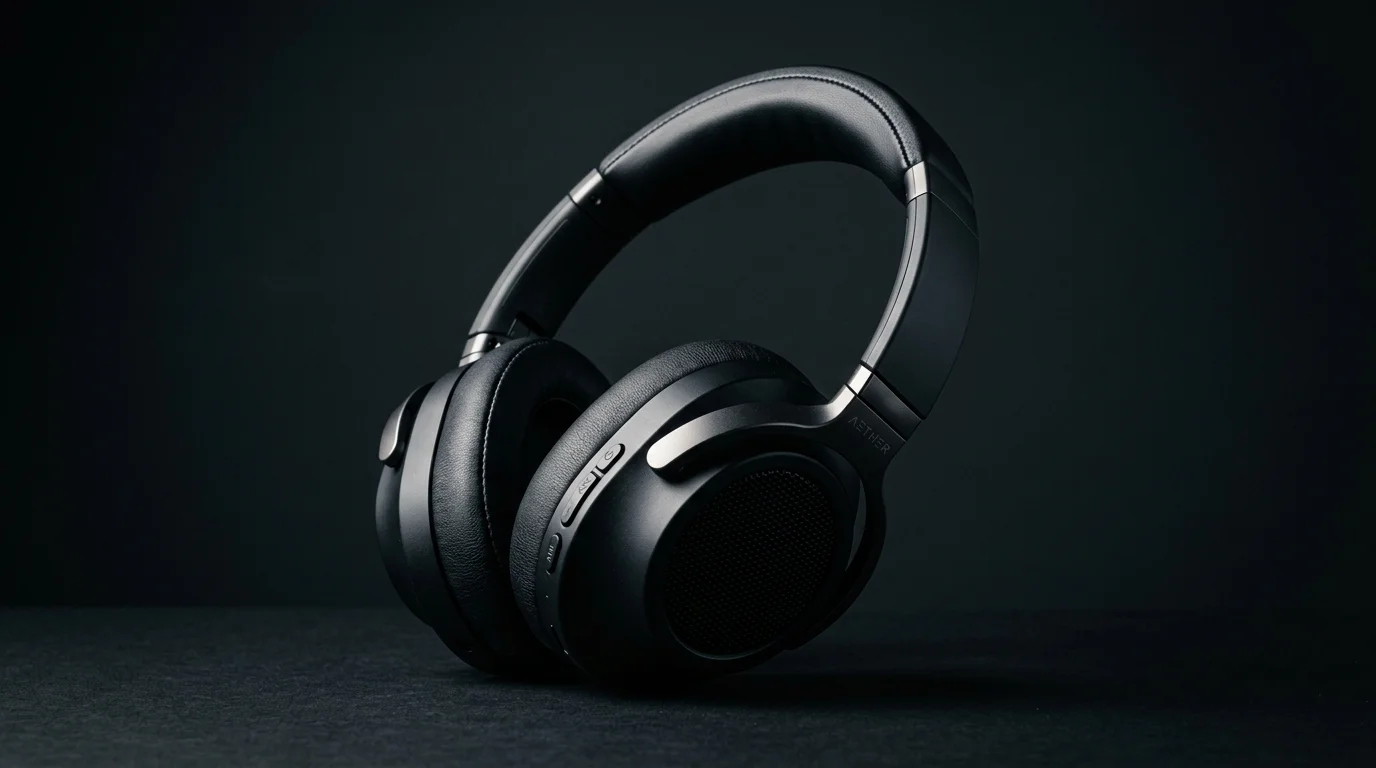
Commuting noise isn’t one problem. It’s several layered on top of each other. A low rumble runs underneath everything, whether it’s a bus engine or a subway car. On top of that sits the constant murmur of dozens of people talking at once. Then come the sharp, unpredictable sounds, door chimes, announcements, someone’s phone call. A good pair of noise-cancelling headphones has to handle all three, not just the easy one.
This guide breaks down what actually matters when choosing headphones for a daily commute, then points to specific models worth considering in each category.
Our Picks for Commuting
Best Overall: Sony WH-1000XM6 Sony’s flagship over-ear line remains the benchmark for commuting ANC. It handles steady engine rumble and unpredictable crowd noise equally well, and the adaptive sound control adjusts automatically as you move between a quiet platform and a packed train car.
Best for Portability: Bose QuietComfort Ultra Earbuds For commuters who don’t want to carry over-ear headphones, these earbuds get close to over-ear levels of isolation while fitting easily in a jacket pocket. They pair especially well with glasses or a hat.
Best for Long Commutes: Bose QuietComfort Ultra Headphones The plush ear cushions and light clamping force make these a strong pick for commutes over 45 minutes, where comfort over hours matters as much as raw noise cancellation.
Best for Apple Users: AirPods Pro 3 Tight integration with iPhone, quick device switching, and a genuinely useful transparency mode make these a natural fit for anyone already inside Apple’s ecosystem.
Best Budget Option: Soundcore Space One Anker’s Soundcore line delivers surprisingly capable ANC for a fraction of the price of premium models, handling typical bus and train noise well even if it falls short of flagship sound quality.
Why Commuting Noise Is Different From Other Noise
Most noise-cancelling technology was originally built with air travel in mind. Airplane engines produce a steady, low-frequency drone that’s relatively easy for ANC systems to cancel out. Commuting noise is messier. It shifts constantly between low rumble, mid-range chatter, and sudden sharp sounds.
This matters because not every pair of ANC headphones handles all three noise types equally well. Some excel at blocking engine-style rumble but let voices bleed through. Others handle office-style chatter well but struggle with the deep vibration of a subway car. Knowing which noise dominates your commute helps you pick headphones that actually solve your specific problem.
Active Noise Cancellation: How It Actually Works
ANC headphones use built-in microphones to detect incoming sound. They then generate an opposite sound wave to cancel it out before it reaches your ear. This works best on consistent, predictable noise, like engine hum or road rumble. It’s less effective against sudden, irregular sounds, like a dog barking or someone shouting.
Adaptive ANC has become common even outside premium models. These systems continuously adjust cancellation strength based on your surroundings, rather than using one fixed setting. This tends to perform better across the mixed, unpredictable noise of a real commute compared to older, static ANC systems.
Over-Ear vs In-Ear: Which Is Better for Commuting
Over-ear headphones generally offer stronger passive noise isolation, simply because the ear cups physically cover more of your ear. Combined with ANC, this usually produces the quietest possible experience. The tradeoff is size and weight, which some commuters find less practical for a crowded train or a long walk to the station.
In-ear noise-cancelling earbuds have improved dramatically. Many now perform close to over-ear headphones for blocking everyday commuting noise, while being far more portable and easier to wear with glasses or a hat. For commuters who value portability over the absolute strongest isolation, earbuds are a completely reasonable choice in 2026.
Battery Life: What’s Actually Enough for a Commute
Battery life matters less dramatically for commuting than it does for travel, since most commutes only last thirty minutes to an hour each way. That said, longer battery life still means fewer charging interruptions and more flexibility if your headphones double as your work-from-home or gym headphones too.
Headphones in the 20 to 30 hour range with ANC turned on are generally more than sufficient for daily commuting, even accounting for a few days between charges. Fast-charging support is a genuinely useful bonus, since a quick top-up before heading out can save an otherwise headphone-less commute.
Clamping Force and Seal Stability
This is an underrated factor for commuters specifically. If you commute standing up, holding a rail, or walking between transfers, headphones need to stay firmly in place without slipping or losing their seal. A weak seal doesn’t just risk headphones falling off, it also lets more outside noise leak in, since ANC performance depends heavily on a consistent physical seal around or inside the ear.
Headphones with firmer clamping force or ear tips designed for a secure, stable fit tend to perform better for commuters who are frequently moving, compared to headphones optimized purely for stationary comfort.
Multipoint Connectivity for Switching Devices
Multipoint Bluetooth lets headphones stay connected to two devices at once, like your phone and laptop. For commuters who take a work call on their laptop right after getting off the train, this feature removes the annoying step of manually reconnecting every time you switch devices.
This feature isn’t universal across all noise-cancelling headphones, even at higher price points, so it’s worth specifically checking for if you regularly switch between a phone and a laptop during your day.
Transparency Mode: Staying Aware Without Removing Your Headphones
Most modern noise-cancelling headphones include a transparency or ambient sound mode. This lets outside sound back in temporarily without taking your headphones off, which is useful for hearing platform announcements, a ticket inspector, or someone talking to you directly.
For commuters specifically, a well-implemented transparency mode is genuinely practical, not just a nice-to-have. Being able to quickly hear an announcement without removing your headphones and losing your seat or spot in line makes a real difference during a daily commute.
Comfort for Extended Daily Wear
Unlike occasional travel use, commuting headphones get worn daily, often for months or years. Weight distribution matters a lot here. Heavier over-ear headphones can become uncomfortable over a long commute, especially with glasses, while well-padded, lighter models tend to hold up better for daily wear.
For in-ear options, ear tip material and fit matter just as much. Silicone tips that don’t match your ear shape well can become uncomfortable or fall out during a bumpy commute, so trying different tip sizes, if included, is worth the extra few minutes.
Budget vs Premium: What You’re Actually Paying For
Premium noise-cancelling headphones generally offer the most advanced adaptive ANC, the best sound quality, and extra features like spatial audio or multipoint connectivity. For daily commuters who want the best possible experience and don’t mind the cost, this tier delivers noticeably better results.
Mid-range and budget noise-cancelling headphones have improved substantially. Many now handle typical commuting noise, like bus rumble or crowded train chatter, quite well, even if they fall short of premium models in sound quality or extra features. For commuters mainly focused on blocking noise rather than chasing audiophile sound, a mid-range pair is often the smarter financial choice.
How to Choose the Right Pair for Your Commute
Before buying, think through the specific realities of your daily commute. If your commute involves mostly steady engine or road noise, prioritize strong low-frequency ANC performance. Standing or walking during transfers calls for a secure fit and firm clamping force above almost anything else.
Switching between your phone and laptop during the day makes multipoint support worth looking for specifically. Glasses or a preference for maximum portability point toward in-ear noise-cancelling earbuds over over-ear models. And if you need to hear announcements or talk to people mid-commute, check how well a model’s transparency mode performs.
The Bottom Line
The best noise-cancelling headphones for commuting aren’t necessarily the most expensive or the most talked-about pair. They’re the ones that match the specific noise, movement, and daily wear patterns of your actual commute. Adaptive ANC, a secure and comfortable fit, and practical features like multipoint and transparency mode often matter more day to day than chasing the absolute best sound quality on paper.
Whether you’re dealing with a rumbling subway car, a noisy bus, or a packed train platform, understanding these fundamentals, and picking from proven models like the ones above, will help you choose headphones that make your daily commute noticeably more peaceful.
Frequently Asked Questions
Are in-ear or over-ear headphones better for commuting?
Over-ear headphones generally offer stronger passive isolation, but in-ear noise-cancelling earbuds have improved a lot and now come close for everyday commuting noise. If portability and wearing glasses matter more to you, earbuds are a solid choice.
Do noise-cancelling headphones block all outside sound?
No. ANC works best on consistent, predictable noise like engine hum or road rumble. It’s less effective against sudden, irregular sounds like a door chime or someone shouting nearby.
How much battery life do I actually need for commuting?
Most commutes only last thirty minutes to an hour each way, so 20 to 30 hours of ANC battery life is generally more than enough, even across several days between charges.
What is multipoint connectivity and do I need it?
Multipoint lets headphones stay connected to two devices at once, like your phone and laptop. It’s worth prioritizing if you regularly switch between devices during your day, since it removes the need to manually reconnect each time.
What is transparency mode used for?
Transparency mode lets outside sound back in temporarily without removing your headphones. It’s useful for hearing platform announcements, a ticket inspector, or someone talking to you directly during your commute.